
The Aqueduct and the Mind
Why the future of AI depends on upgrading the Human Operating System
Allegory time. Imagine that for generations, villagers carried water from the village well, bucket by bucket, shoulder by shoulder. It was slow, exhausting work, and the people dreamed of something better.
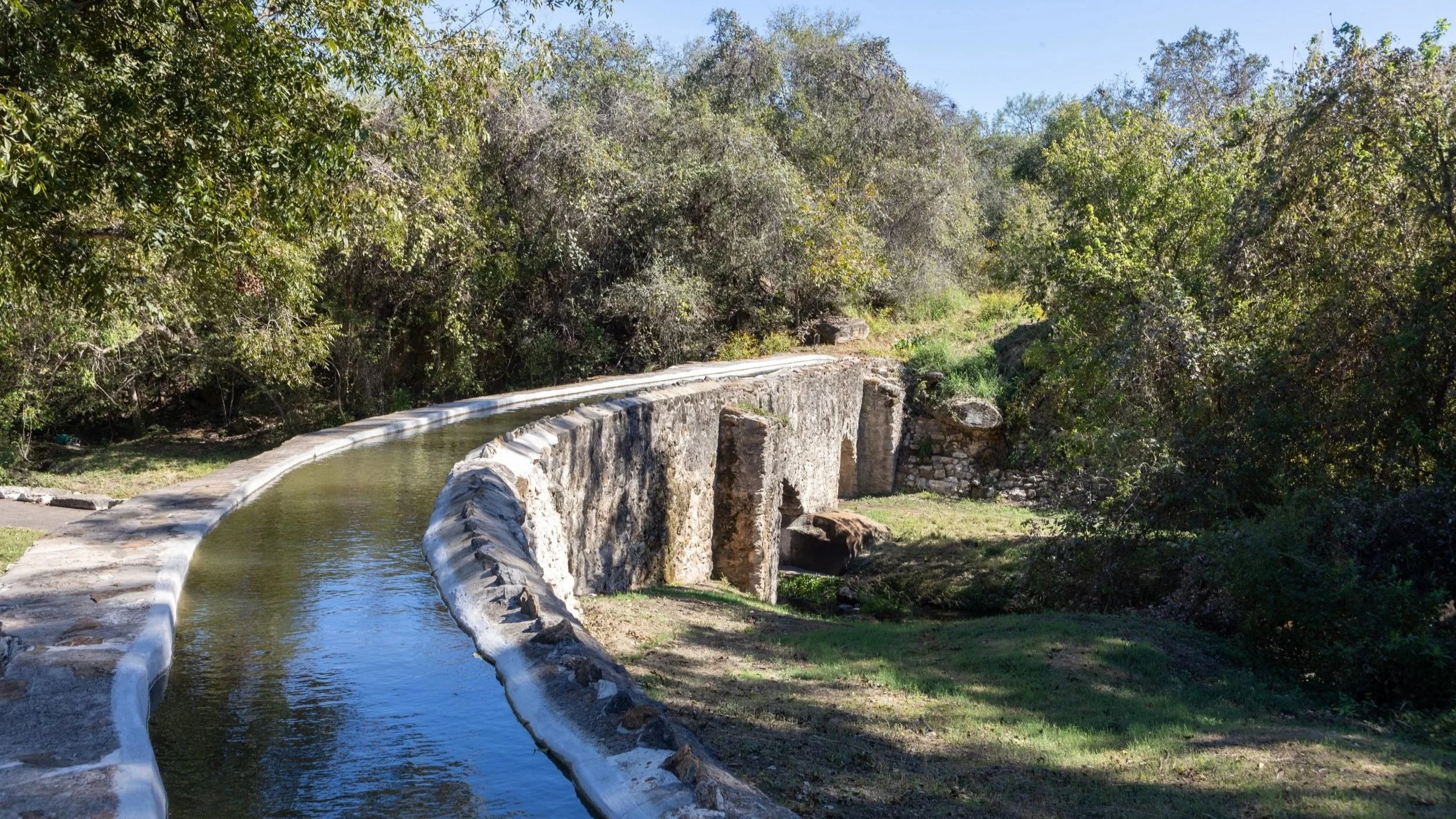
Then an engineer arrived and built a magnificent aqueduct connecting the village to a river in the mountains. Crystal-clear water, endless supply, flowing day and night. The villagers were overjoyed. They tore down the old well and celebrated.
Within a year, the fields were flooded. Basements filled. Salt crept into the soil where too much water sat too long. Three families built fountains that ran all night just because they could. The village downstream, which had always shared the river, went dry.
The villagers blamed the aqueduct. “It brings too much water,” some said. “It brings the wrong water,” said others.
One faction demanded it be destroyed. Another faction declared it sacred and refused to hear any criticism at all.
Finally, a young farmer who had been watching quietly stood up at the village meeting.
“The aqueduct is not the problem,” she said. “Our grandparents didn’t just carry water. They thought about water. Every bucket was a decision: how much, where, when, what for. The weight on their shoulders was also a weight on their minds. It made them wise about water.”
She paused. “The aqueduct removed the burden. But it also removed the thinking. We have a river now, but we've forgotten how to be a village that deserves one.”
The room went quiet. Not because she was harsh, but because every person recognized themselves in what she’d said.
That evening, they didn’t destroy the aqueduct. They started rebuilding something else: the habits of mind that the easy water had washed away.
When the Cost of “Thinking” Drops to Zero
We are living through our own version of that story. Artificial intelligence is the aqueduct.
For centuries, thinking was the limiting resource. Research took time. Analysis required effort. Writing demanded concentration. Insight often arrived slowly. Now ideas, analysis, drafts, summaries, simulations, and strategic options can appear in seconds.
The river has arrived. But abundance introduces a new risk. When the cost of producing thinking approaches zero, the cost of bad thinking rises dramatically.
Because errors scale, weak assumptions multiply, bias spreads faster. Half-formed ideas circulate at industrial speed. Without stronger judgment, AI doesn’t automatically create wisdom. It risks creating high-speed confusion.
Why Human Hardware Needs an Update
The hidden bottleneck in the Human–AI partnership isn’t computing power. It’s human cognition. More specifically, it’s the set of predictable cognitive biases that shape how we interpret information and make decisions.
Humans don’t process reality like neutral analysts. We filter it through mental shortcuts that evolved to help us survive in a world of scarcity and threat.
Some of the most powerful include:
Negativity Bias — treating threats as more urgent than opportunities
Confirmation Bias — searching for evidence that reinforces what we already believe
Availability Bias — mistaking vivid examples for typical reality
Conformity Bias — aligning with the dominant narrative rather than thinking independently
Temporal Discounting — undervaluing long-term consequences
Omission Bias — fearing action more than inaction
These biases didn’t disappear when AI arrived. They just gained a supercharger. AI can now generate enormous volumes of content that reinforce whatever lens we bring to it. If someone approaches AI looking for reasons to fear the future, they will find them. If someone approaches it seeking confirmation of their beliefs, they will find that too.
Turning AI Into a Discovery Partner
This is why the future of AI isn’t just about better technology. It’s about better thinking.
Over the past two decades, our team has worked on what we call the Behavioral Innovation™ Approach, a framework for recognizing and counterbalancing the cognitive biases that derail innovation and decision-making.
The goal isn’t to eliminate bias. That’s impossible. The goal is to upgrade the human operating system so that we can think more clearly when the stakes are high.
In an age of AI, that upgrade becomes even more important. Because the best partnership between humans and AI doesn’t come from faster tools. It comes from better judgment. Judgment that asks different questions:
What opportunities might we be overlooking?
What systems are shaping this outcome?
What evidence are we missing?
Where is this trajectory heading over time?
What experiments could we run to learn faster?
These habits transform AI from a confirmation engine into a discovery partner.
The Real Work of the AI Era
The villagers in the story didn’t destroy the aqueduct. They rebuilt the wisdom required to use it well.
We are now building the aqueduct for thought. Artificial intelligence will deliver ideas, analysis, and insight at a scale no generation has ever experienced. The technology will work. The question is whether we will. Because abundance without discernment is just a more impressive way to drown.
The real work of the AI era isn’t just building smarter machines. It’s rebuilding the habits of mind that make intelligence meaningful.
And that begins with upgrading the human operating system.